The hardest part of building a startup isn’t building the product.
It isn’t raising money.
It isn’t finding customers.
It has always been building the team.
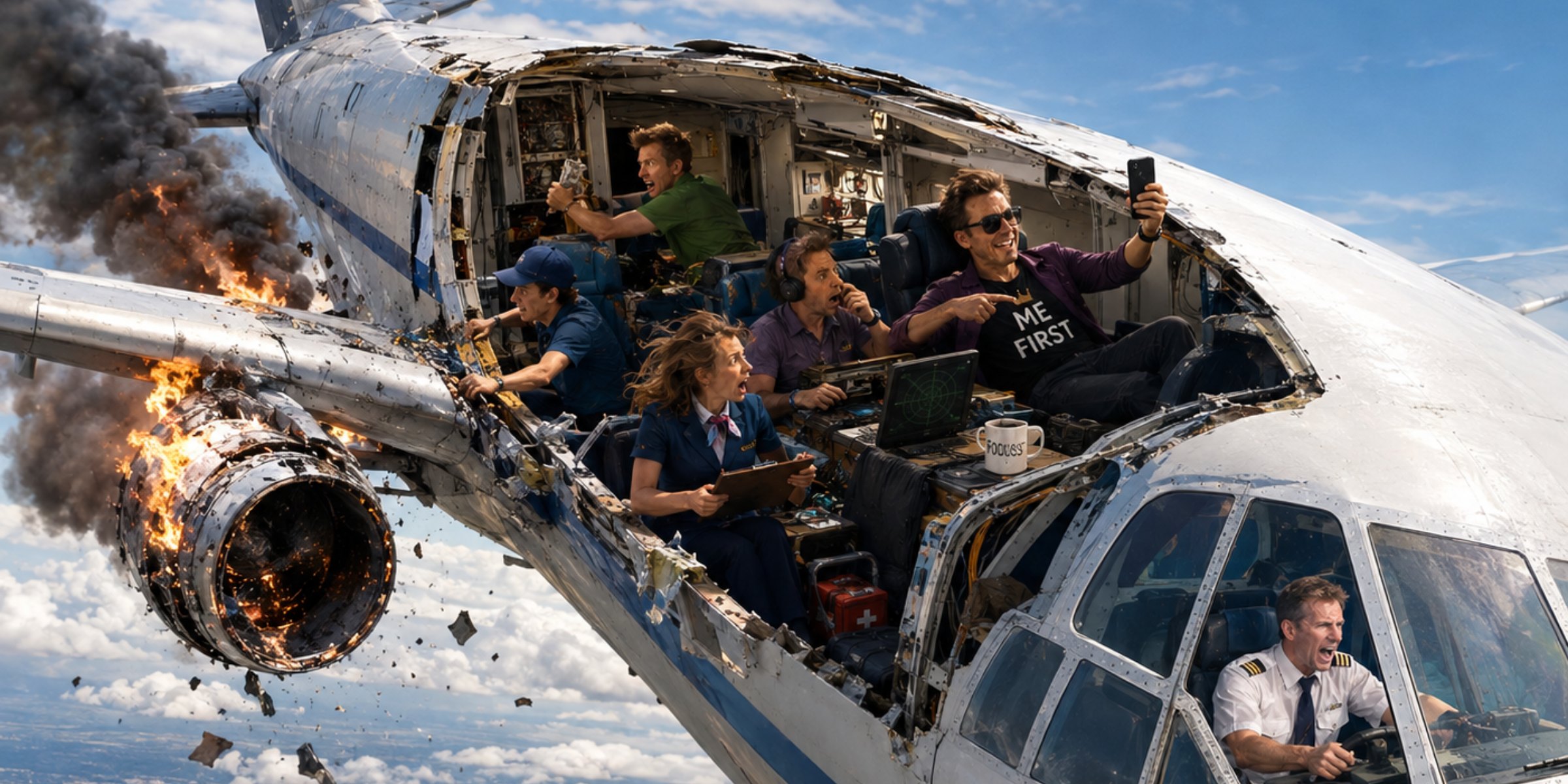
There’s a saying that building a startup is like building an airplane in mid-fall.
It couldn’t be more true.
Now imagine realizing halfway through that you’ve built the airplane with the wrong crew.
You don’t just replace one person.
You lose momentum.
You lose trust.
You lose months.
Sometimes you lose the company.
Over the years, one lesson changed the way I hire.
I used to look for the smartest people.
The strongest CV.
The biggest expert.
Today, I look for something else first.
Character.
Because skills grow.
Experience grows.
Confidence grows.
Curiosity grows.
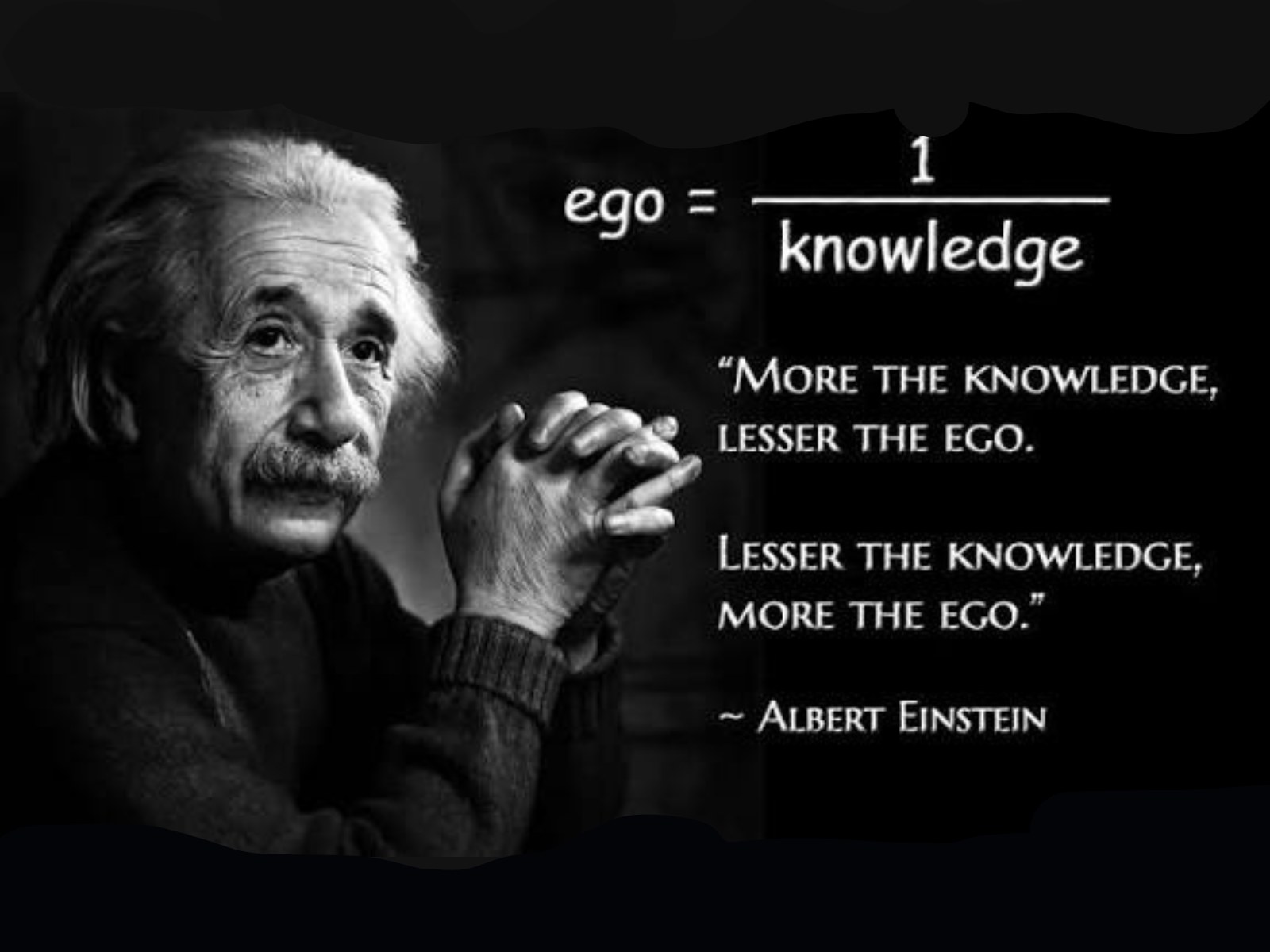
But ego rarely shrinks.
And an ego-driven team member is one of the most expensive mistakes a startup can make.
Not because they aren’t talented.
Because their priorities are different.
When the mission conflicts with their image…
…their image usually wins.
They don’t optimize for the product.
They optimize for being right.
They don’t protect the team.
They protect themselves.
The hardest part is that it's hard to spot it during the interview.
It appears slowly.
Conversations become political.
Ownership disappears.
People stop helping each other.
Momentum fades.
One person can quietly shake the entire airplane.
The opposite is also true.
One humble person, driven by purpose rather than ego, can lift an entire team.
That’s why I believe the team is the most valuable asset any startup has.
Even investors know this.
A product can pivot.
A market can change.
An idea can fail.
But with the right team, you can rebuild, adapt, and create something even better.
That’s why experienced investors often invest in teams as much as they invest in products.
Looking back, every successful team I’ve been part of shared one thing.
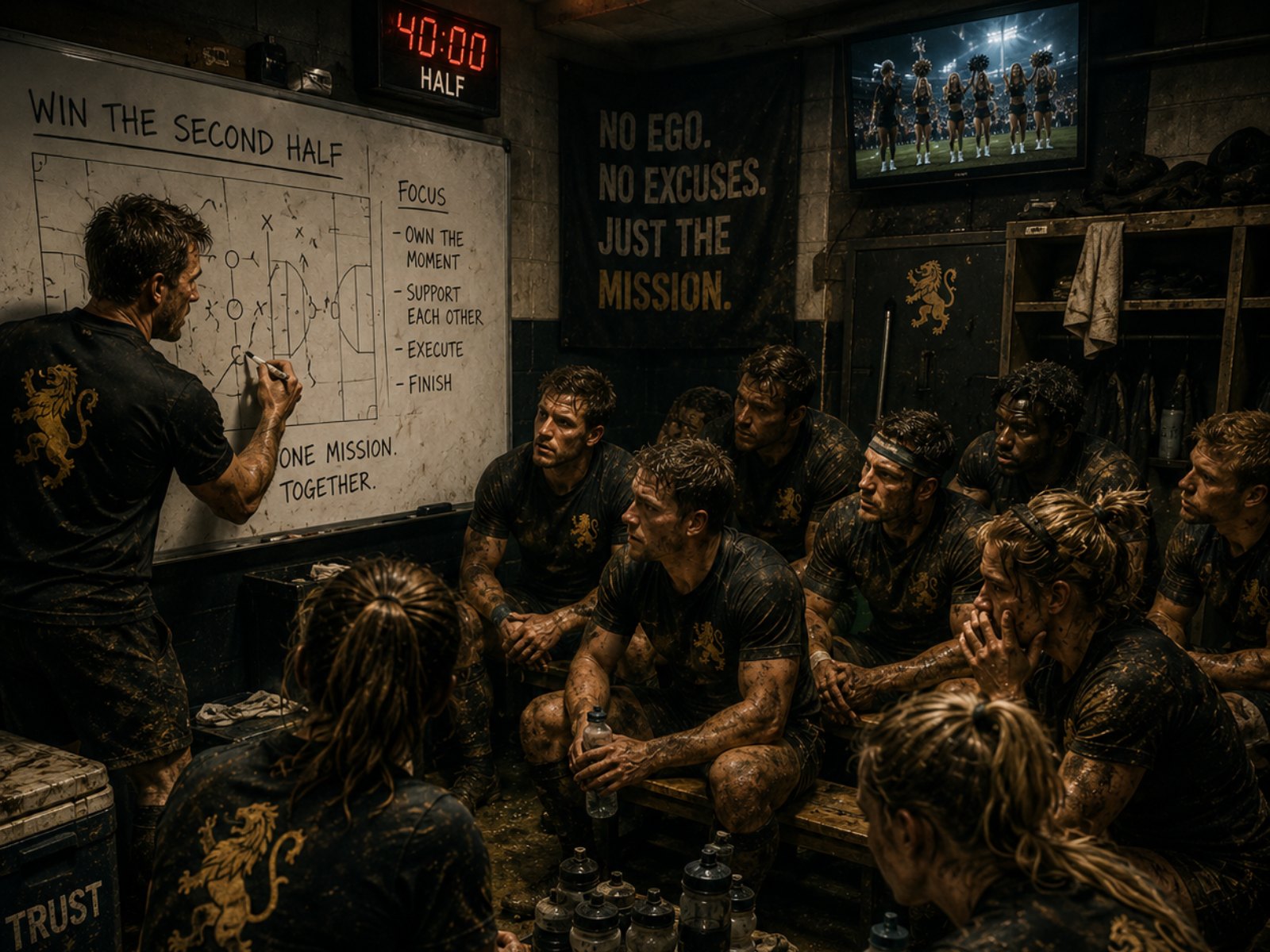
People cared more about the mission than about getting the credit.
So when you’re hiring your next teammate, don’t just ask:
“Can this person do the job?”
Ask yourself something far more important.
Conclusion
“If everything went wrong tomorrow, would I still want this person building the airplane with me while we’re already in mid-fall?”