Not because they’re easier.
They’re not.
Not because they’re less stressful.
Definitely not.
I’ve always chosen startups because they optimize for one thing I’ve always cared about.
Building.
Deep down, I’ve always wanted to create products that genuinely improve people’s lives.
But there was another reason.
I wanted to build in an environment where creating something meaningful mattered more than fitting into a system.
For me, startups have always represented one of the few legitimate ways to escape the traditional 9 to 5 mindset.
Not because people work less.
Usually it’s quite the opposite.
But because the mission comes before the clock.
You’re trusted to solve problems, not simply to occupy a chair between certain hours.
People don’t leave the 9 to 5 because they hate work.
They leave because they want their work to mean something.
Creativity doesn’t appear because it’s 9:00 AM.
Breakthrough ideas don’t care what’s written on your calendar.
When people are trusted, they usually surprise you.
When they’re controlled, they usually do the minimum required.
One of the biggest challenges every founder faces isn’t building the product.
It’s growing the company without accidentally rebuilding the bureaucracy you wanted to escape.
I’ve seen it happen many times.
More processes.
More approvals.
More meetings.
More people protecting responsibilities instead of solving problems.
At first, it feels like maturity.
Then one day you realize a decision that once took an hour now takes two weeks.
People stop asking,
“How do we solve this?”
and start asking,
“Whose responsibility is this?”
That’s a dangerous shift.
Because startups aren’t corporations.
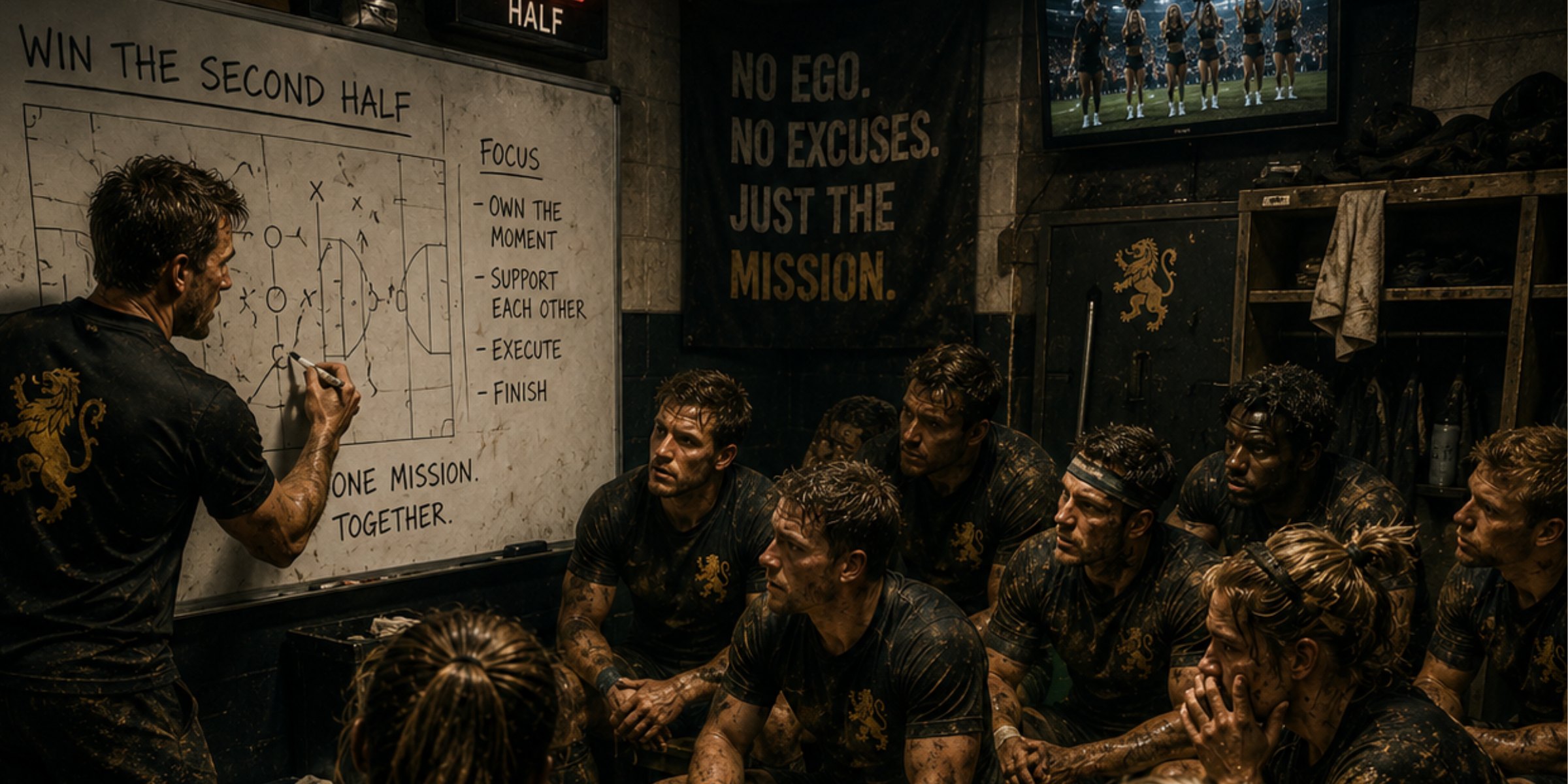
They’re much closer to a sports team.
Everyone knows where the goal is.
Whoever has the ball moves the team forward.
Nobody says,
“That’s not my position.”
Because the mission comes first.
That’s also how I believe people should be measured.
Not by hours.
Not by attendance.
But by the value they create.
By the problems they solve.
By how much they move the mission forward.
Google’s Project Aristotle reached a similar conclusion: the highest-performing teams weren’t built around the smartest people. They were built on trust and psychological safety.
Structure isn’t the enemy.
The real challenge is building enough structure to scale without suffocating creativity.
Creating clarity instead of bureaucracy.
Ownership instead of politics.
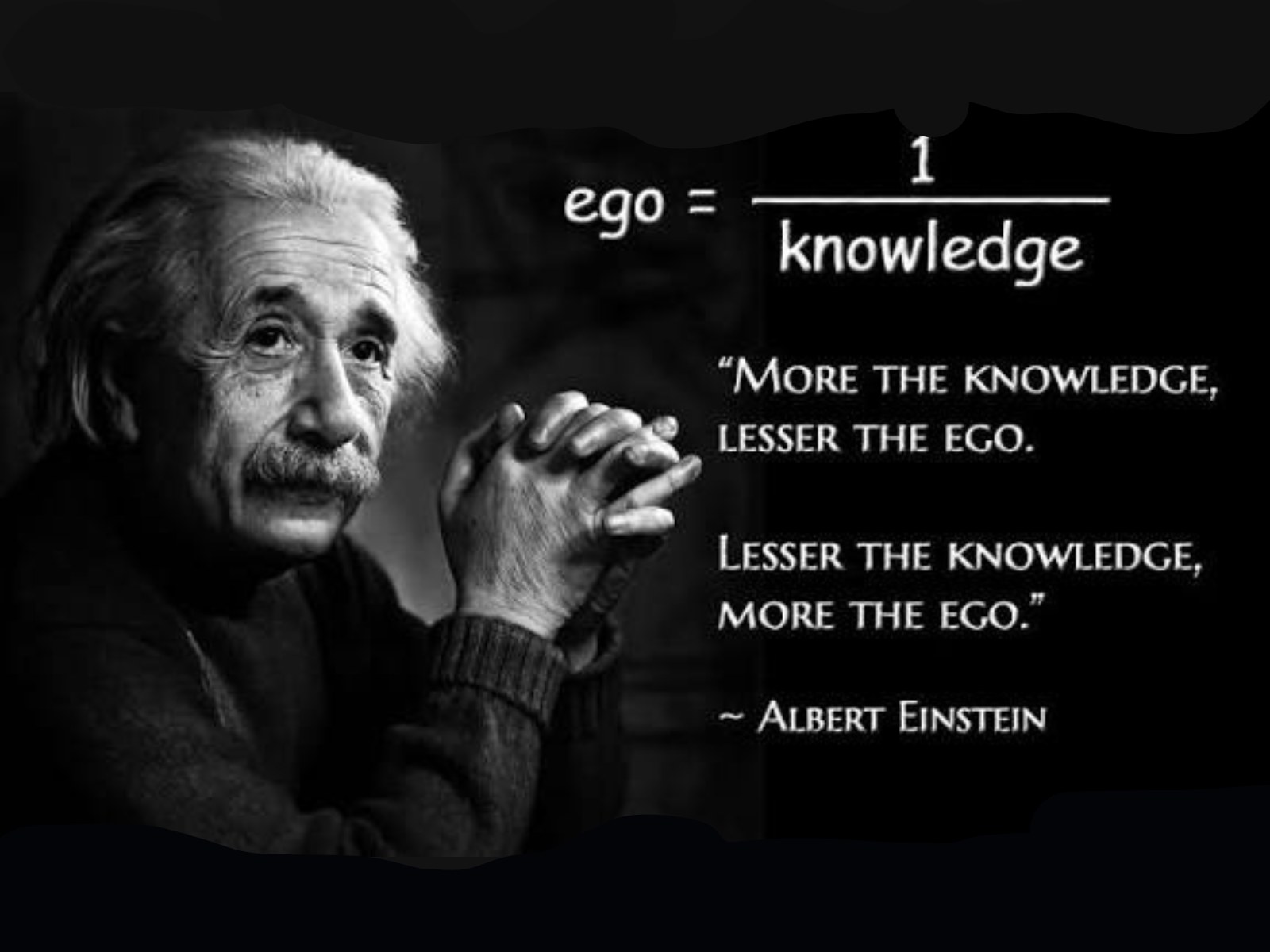
Mission instead of ego.
I hope that, no matter how big the company I build becomes, it always feels a little more like a team trying to win a championship…
…than an organization trying to protect itself.
Because great products aren’t built by corporate structures.
They’re built by small groups of people who genuinely care about the same mission.
Conclusion
And if we can preserve that mindset while we grow…
…maybe we don’t have to become “corporate” just because we become successful.